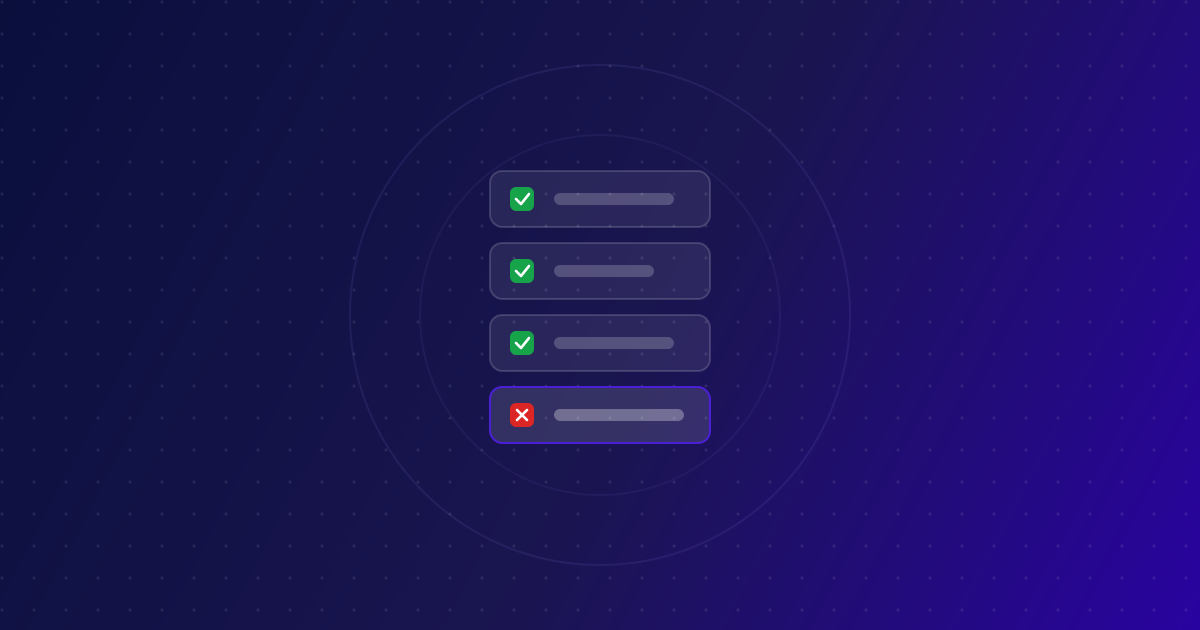
When a property claim lands, a good intake gate asks two questions, and only two. Is the file complete? And does it hold together? Everything else, coverage, liability, valuation, is a human decision that comes later.
The two questions sound similar, but they catch different problems, and it helps to keep them apart.
Two Different Questions
Completeness is about presence: does the file contain the things an adjuster needs to work it. Consistency is about coherence: do the things in the file agree with each other and with the policy on record.
A file can be complete and still inconsistent. It can be consistent and still incomplete. A gate has to check for both.
Completeness: Is Anything Missing
Completeness is the easier of the two to picture. A claim is complete when it has the required fields and the required documents for its type.
- Required fields: insured, policy number, date of loss, property address, stated peril.
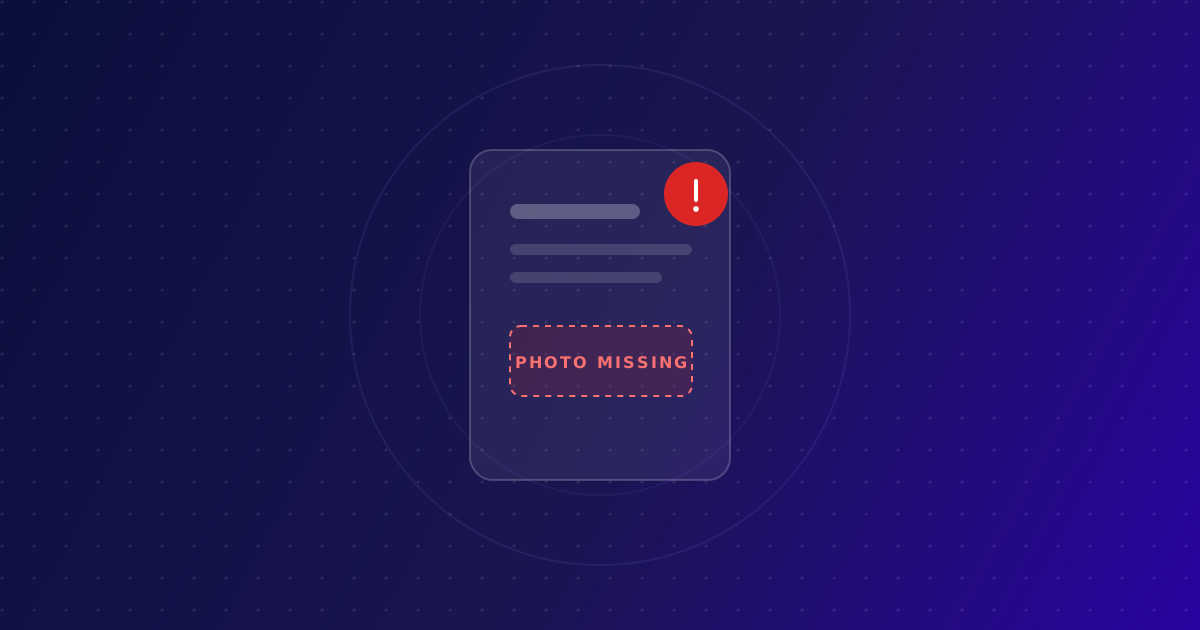
- Required photos: the specific close-ups your book requires for that peril, not just wide shots.
- Required documents: the ACORD form and any attachments your intake expects.
What counts as required is not universal. A Florida wind and hail desk and a Texas hail shop will define a complete roof claim differently. That definition belongs to the firm, which is why the completeness rules are built around your book rather than handed down as a generic checklist.
Consistency: Does It Hold Together
Consistency is about internal contradictions. The file is present, but something in it does not line up.
Date of loss vs policy term
The reported date of loss should fall inside the policy's effective term. A loss dated before the policy began, or after it lapsed, is a contradiction worth surfacing before assignment. This is a check against the policy on record, not against any external weather data.
Peril vs documented damage
The stated peril should be consistent with the damage the file documents. If the claim describes more than the photos support, the unevidenced part is flagged so a human can resolve it early.
Neither check decides anything. They surface exceptions: a missing item, or a detail that does not agree with the rest of the file. A person decides what to do next.
Why Inspectable Rules Matter
For a regulated claims operation, how the gate reaches a verdict matters as much as the verdict. Document-intelligence does the heavy lifting of reading unstructured files and pulling out the details. But the rules that decide complete or incomplete are explicit and deterministic: every flag traces back to a specific requirement you can point to.
That is the difference between a tool a compliance team can defend and a black box it cannot. The same inputs produce the same verdict, every time, and you can read the rule that produced it. Quixas reads your claim data and produces a verdict. Every output goes to your team to act on.